Property Identification
Comprehensive identification services for replacement properties across all 50 states.
Learn More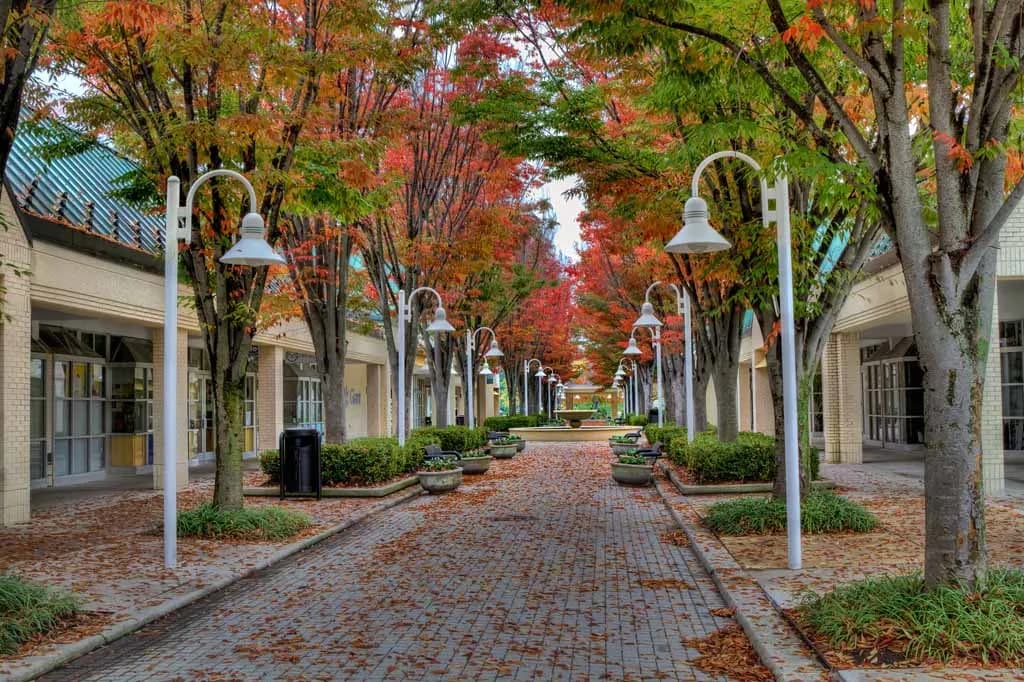
Master-planned retail with national brands and predictable traffic counts. MD retail corridors in Columbia provide stable income with diversified tenant exposure for 1031 exchange investors.
We help investors identify replacement properties in Columbia, MD and nationwide markets. Our identification process includes property research, tenant credit screening, lease analysis, and compliance verification to ensure every property meets IRS 1031 exchange requirements.
Whether you are looking for single tenant triple net lease retail properties with corporate-guaranteed leases from investment-grade tenants, shopping centers, multifamily, industrial, or other property types, we provide curated property briefs within the 45-day identification window. Our team identifies absolute NNN properties (where tenants assume all expenses), regular NNN leases, and ground lease opportunities, coordinating with qualified intermediaries and providing documentation support to ensure compliant identification.
Columbia was built as a planned community rather than growing block by block, and that history still shapes what trades hands here. Corporate office parks near the Route 175 and US-29 interchange, retail tied to The Mall in Columbia, and multifamily serving Howard County's biotech and insurance-adjacent workforce all sit within a compressed geography, which sounds convenient until a coordination quote treats the three asset types as interchangeable line items.
A chunk of Columbia's corporate office stock built for single large tenants has been sitting through repositioning, some converting to medical or flex use, some staying vacant longer than sellers admit on a listing sheet. If a replacement property you're eyeing near the Route 175 corridor has a conversion history, the certificate of occupancy and zoning history need to be pulled before identification, not after — an office building carrying institutional-use restrictions can complicate a like-kind analysis if nobody checked.
Howard County's tax rate and assessment cycle differ from both Baltimore City and Baltimore County, and Columbia investors moving equity in from either one should not assume the operating expense line translates cleanly. This is exactly the kind of detail a bare-bones coordination package skips because it takes an extra phone call to the county assessor, not because it does not matter.
A Columbia office park's marketing package will show trailing income, but multi-tenant buildings in this submarket often carry staggered lease expirations tied to the biotech and insurance-services tenants that dominate the corridor. Pulling a full rent roll and T-12 before identification — not after a letter of intent — is the difference between an accurate 200% rule comparison and one built on a broker's optimistic pro forma.
Columbia's village structure — Wilde Lake, Oakland Mills, Long Reach, and the rest — was built into recorded covenants when the Rouse Company laid out the community, and some of those covenants still touch architectural standards, signage, and landscaping on commercial parcels near a village center, beyond the surrounding homes. A retail building near one of the smaller village centers can be subject to design review that a national tenant's standard prototype sign package does not comply with out of the box, and that review adds time an investor should plan for rather than discover during a tenant improvement buildout.
This is separate from Howard County zoning and worth confirming directly with the relevant village association or the Downtown Columbia Partnership before assuming a straightforward renovation timeline on any Columbia commercial property.
The ongoing redevelopment around the Merriweather District and the area near the old mall has pulled newer tenant demand toward purpose-built mixed-use product, which puts pressure on Columbia's older single-tenant office stock built along Route 175 decades ago. Some of that older inventory has repositioned into medical or lab-adjacent flex use tied to Howard County's biotech cluster, and some has simply lost tenants to newer buildings closer to the redevelopment core. An investor evaluating an older Columbia office building as a replacement property should ask directly where it sits relative to that shift, since a broker's package rarely volunteers that a building is losing ground to newer competition a half-mile away.
Comprehensive identification services for replacement properties across all 50 states.
Learn MoreTriple net lease property identification with tenant credit screening and lease analysis.
Learn MoreShopping center and retail strip identification for 1031 exchange replacement properties.
Learn MoreApartment building and multifamily property identification for 1031 exchanges.
Learn MoreGenerally yes, since like-kind for real property is broad, but the conversion history and any remaining institutional-use restrictions should be reviewed before you rely on the property for identification, since those restrictions can affect financing and valuation.
Assessments here run on a schedule separate from Baltimore City and Baltimore County, so a trailing operating expense figure from a seller's package may not reflect what your first full tax year actually looks like.
Multi-tenant lease abstracts with staggered biotech and insurance-services tenant expirations are the most commonly incomplete item, and they matter directly to any 200% rule comparison you are running.
No, the three-property rule lets you identify up to three properties regardless of value, so a Columbia office building can sit alongside two other candidates in different submarkets without triggering the 200% test.
Your coordination team should pull it before identification, not your qualified intermediary — the QI's role is holding funds and executing exchange documents, not underwriting the replacement property itself.
Contact us to discuss your 1031 exchange property identification needs in Columbia, MD.